How to Start an Adult Volleyball League
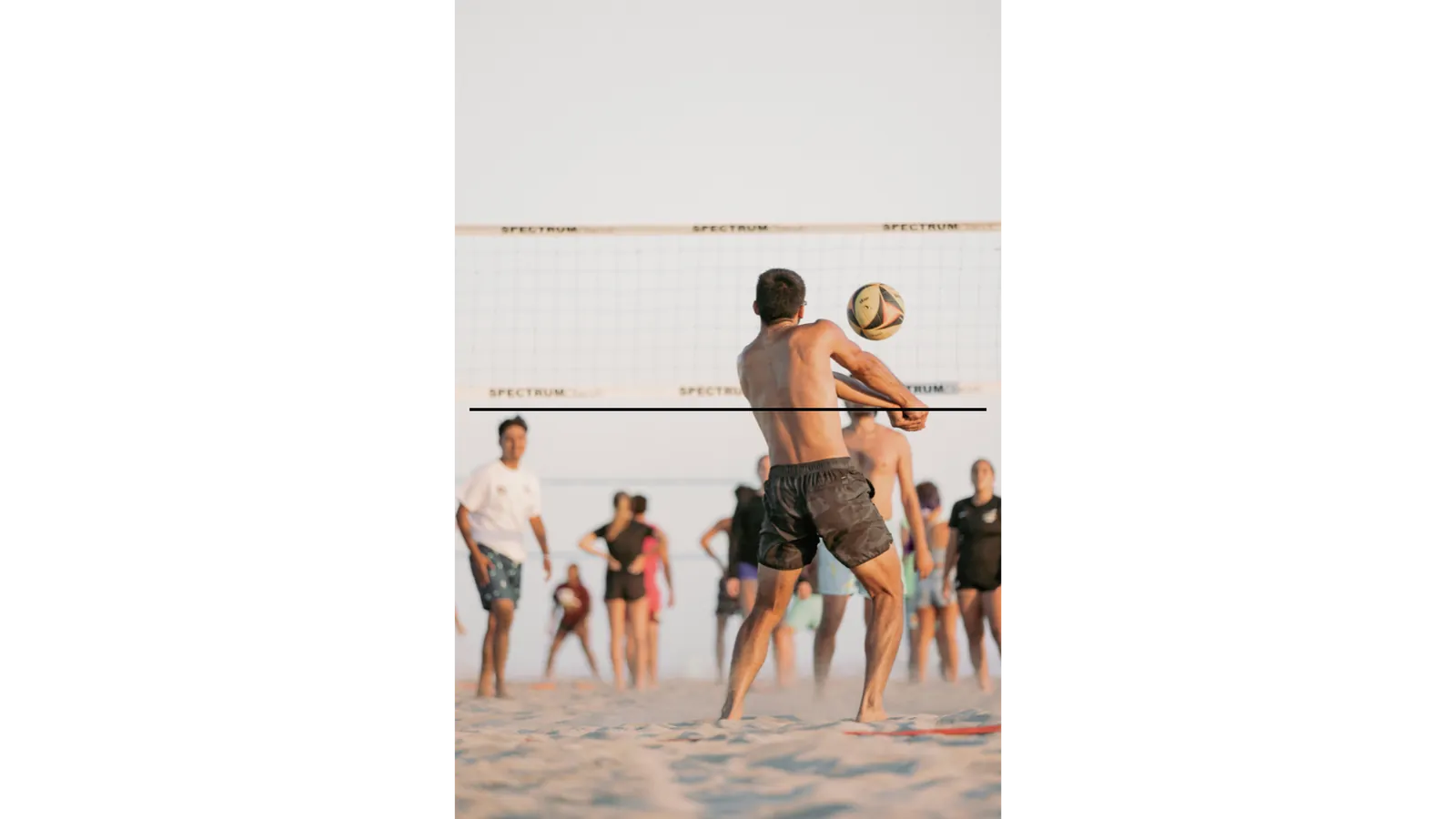
Volleyball is one of the most popular recreational sports for adults. It's social, accessible to different skill levels, and works in almost any setting-gyms, rec centers, sand courts, even grass fields. Whether you're organizing competitive 6v6 indoor or casual 4s on the beach, a well-run volleyball league can build a community that keeps players coming back season after season.
This guide walks you through everything you need to start and run a successful adult volleyball league.
Why Volleyball Leagues Work
Before diving into logistics, here's why volleyball is such a strong choice for a rec league:
Team sport, manageable rosters. Unlike soccer or softball, you only need 6-12 players per team. Easier to fill, easier to coordinate.
Scales to any skill level. From first-timers to former college players, volleyball accommodates everyone. You can run beginner-friendly social leagues and competitive divisions side by side.
Indoor and outdoor options. Gym space in winter, sand courts in summer. You can run leagues year-round.
Coed-friendly. Volleyball is one of the most popular coed sports. Mixed teams create a social atmosphere that attracts more players.
Quick to learn, hard to master. New players can contribute immediately, but there's enough depth to keep experienced players engaged.
Choose Your Format
The first decision is what type of volleyball you're running. Each format has different requirements and attracts different players.
Player Count
| Format | Players on Court | Best For |
|---|---|---|
| 6v6 | 6 per side | Traditional indoor, competitive leagues |
| 4v4 | 4 per side | Popular for sand/beach, recreational indoor |
| 2v2 (Doubles) | 2 per side | Sand/beach, highly athletic, smaller groups |
| Reverse Coed 4s | 4 per side (3 men, 1 woman or vice versa) | Social leagues with coed requirements |
6v6 is the standard for indoor gym leagues. It allows for specialized positions and traditional rotations.
4v4 is the most popular format for recreational leagues-especially on sand. It's faster-paced, everyone touches the ball more, and it's easier to fill rosters.
2v2 works for competitive beach volleyball but requires athletic players. Not ideal for casual rec leagues.
Indoor vs Sand/Beach
| Indoor | Sand/Beach | |
|---|---|---|
| Surface | Hardwood or sport court | Sand |
| Weather | Climate controlled | Weather dependent |
| Pace | Faster, higher jumps | Slower, more endurance |
| Court size | 30' x 60' (6v6) | Smaller courts for 2s/4s |
| Shoes | Court shoes required | Barefoot |
| Diving | Harder surface, more cautious | Sand is forgiving |
| Availability | Gyms, rec centers | Beach, sand volleyball facilities |
Many organizations run indoor leagues in fall/winter and sand leagues in spring/summer.
Coed vs Gender-Specific
Coed leagues are extremely popular in recreational volleyball:
- More social atmosphere
- Easier to fill rosters
- Attracts couples and friend groups
Typical coed rules:
- Minimum 2 women on the court at all times (for 6v6)
- Minimum 1 woman on court (for 4v4)
- Ball must be contacted by a woman at least once per side before returning (some leagues)
- Women can play any position including front row
Gender-specific leagues work for:
- Competitive players wanting higher-level play
- Women's leagues (often underserved in rec sports)
- Areas with enough demand to fill both
Skill Levels and Divisions
Adult volleyball players range from "I haven't played since high school PE" to "I played D1 in college." Putting them in the same division creates miserable experiences for everyone.
Typical Division Structure
| Division | Description | Who It's For |
|---|---|---|
| A / Competitive | Advanced skills, competitive play | Former college/club players, experienced adults |
| B / Intermediate | Solid fundamentals, moderate competition | Played in high school, regular rec players |
| C / Recreational | Learning or casual, emphasis on fun | Beginners, social players, new to volleyball |
| BB | Between B and C | Common addition when you have enough teams |
Tips for division placement:
- Let captains self-rate their team initially
- Move teams up or down after the first season based on results
- Watch for sandbaggers (good teams registering in lower divisions)
Skill-Based Rules (Optional)
Some leagues modify rules by division:
| Rule | Lower Divisions | Upper Divisions |
|---|---|---|
| Let serves | Allowed (serve touches net but goes over) | Not allowed |
| Double-contact on first ball | Lenient | Strict |
| Lift/carry calls | Lenient | Strict |
| Open-hand tips | Allowed | Must be clean |
This makes lower divisions more forgiving for developing players.
Rules for Recreational Play
You don't need to follow USAV rules exactly. Rec leagues should prioritize fun, safety, and game flow.
Rally Scoring
Use rally scoring. A point is awarded on every serve, regardless of who served. This keeps games moving and makes timing predictable.
- Games to 25, win by 2 (cap at 27)
- Third game to 15 if needed
- Best of 3 games per match
Serving
Allow underhand serves in recreational divisions. Not everyone can overhand serve, and forcing it leads to frustration.
Let serves: Decide whether a serve that hits the net and goes over is legal. Allowing let serves makes the game more forgiving for beginners.
Service rotation: Standard rotation-everyone serves in order as they rotate through positions.
Net Contact
Keep it simple: Touching the net during play is a fault. Don't get into debates about whether it affected the play. Net touch = point for other team.
Attacking Rules (Coed)
Some coed leagues add rules to balance play:
- Back row attack: Men in the back row cannot attack the ball above the net (must jump from behind the 10-foot line)
- Block touch rule: If a man blocks, the block counts as one of the three touches
These rules encourage involving women more in the offense.
Substitutions
Unlimited subs is standard for rec leagues. Players need rest, and restricting substitutions leads to exhausted players and injuries.
Line Calls
Self-officiated leagues rely on the honor system. The team on the side where the ball lands makes the call.
For competitive divisions, consider having a referee or at least a dedicated scorekeeper who can help with disputed calls.
Securing Gym or Court Space
Your venue determines everything: how many teams you can support, what format you run, and what you charge.
Options
Recreation centers and gyms:
- Most common for indoor 6v6
- May have multiple courts
- Usually rent by the hour
- Nets and standards often provided
Schools:
- Available evenings and weekends
- Often cheaper than private facilities
- May require insurance certificate
Churches and community centers:
- Sometimes have gyms
- Often affordable
- May have scheduling limitations
Sand volleyball facilities:
- Outdoor courts (weather dependent)
- Some indoor sand facilities exist
- Typically rent by court per hour
Bars and restaurants with sand courts:
- Great for social leagues
- Built-in food and drink sales
- May offer free or reduced court fees in exchange for business
What to Confirm
- Number of courts available
- Net heights adjustable? (Women's: 7'4", Men's: 7'11 5/8", Coed: usually men's height)
- Ceiling height (important for indoor-low ceilings affect play)
- Rental rate and contract terms
- Equipment provided vs. bring your own
- Storage for equipment between sessions
- Lighting quality
- Parking
Book your space before promoting registration. Gym time is competitive-secure it early.
Equipment
Provided vs. Bring Your Own
| Equipment | Notes |
|---|---|
| Nets and standards | Usually provided by facility. Confirm. |
| Volleyballs | Provide game balls. Let players warm up with their own. |
| Scoreboard | Flip scorers work fine. One per court. |
| Referee stand | Optional for rec leagues. Nice for competitive divisions. |
| First aid kit | Have one on site. Ankle injuries are common. |
Ball Selection
| Ball Type | Use |
|---|---|
| Leather (Molten, Mikasa) | Indoor competitive. Best feel and control. |
| Composite | Indoor recreational. More durable, less expensive. |
| Outdoor/Beach | Slightly larger, designed for outdoor conditions. |
For recreational leagues, composite indoor balls are the best balance of quality and durability.
Registration and Rosters
Roster Size
| Format | Minimum Roster | Recommended | Maximum |
|---|---|---|---|
| 6v6 | 8 | 10-12 | 15 |
| 4v4 | 6 | 8-10 | 12 |
| 2v2 | 2 | 3-4 | 4 |
Too small: Leads to forfeits when people can't make it.
Too large: Players don't get enough court time, lose interest.
Registration Models
Team registration: Captain signs up the team, manages roster, collects money from players.
Individual (free agent): Players register solo. You form teams through a draft or random assignment.
Hybrid: Teams register but can request free agents to fill roster spots.
For volleyball, team registration is most common. Friend groups and existing teams want to play together.
Minimum Players to Start
Define this clearly:
- 6v6: Minimum 4 players to start, prefer 5 to avoid forfeit
- 4v4: Minimum 3 players to start
Allow teams to play short-handed rather than forfeit. Everyone has more fun when games happen.
Scheduling
Season Structure
Typical volleyball league:
- 8-10 weeks regular season
- 1-2 weeks playoffs
- 1 match per week (best of 3 games)
Time Per Match
| Format | Time to Schedule |
|---|---|
| 6v6 (best of 3) | 50-60 minutes |
| 4v4 (best of 3) | 40-50 minutes |
Build in 10-minute buffers between matches for teams to warm up and previous matches to run over.
Multiple Courts
If you have 2-4 courts, you can run multiple divisions simultaneously:
Courts 1-2: Division A (7:00 PM and 8:00 PM matches)
Courts 3-4: Division B (7:00 PM and 8:00 PM matches)
This lets you serve more teams in limited gym time.
Referee Model
| Model | Pros | Cons |
|---|---|---|
| Self-officiated | Free, simple | Disputes, inconsistent calls |
| Loser refs next | No cost, teams rotate | Quality varies, teams dislike it |
| Paid referees | Consistent, professional | Adds cost ($15-30/match) |
Loser refs next is common in volleyball leagues: the team that loses refs the following match on that court. This works if you set clear expectations and have a backup plan when teams don't show.
Pricing Your League
Costs to Cover
- Gym/court rental
- Equipment (balls, scorekeepers)
- Referees (if paid)
- Prizes/trophies
- Insurance
- Software/admin
Setting Your Fee
Court rental is usually the biggest cost, and it varies a lot by market and facility. Add up the season's costs, add the profit you want, and divide by the number of teams or players. The free league fee calculator does this, including card fees and the number of teams you need to break even.
Making It Social
Volleyball players tend to be social. Build community around your league.
Post-Match Gathering
Partner with a nearby bar or restaurant:
- Discounts for league players
- Becomes the unofficial hangout spot
- Players stay connected off the court
Season Events
- Captains meeting: Before season, review rules, address questions
- End-of-season tournament: Single-day event mixing teams from all divisions
- Awards party: Celebrate champions, give out fun awards
Fun Awards
- Best dressed team (matching jerseys)
- Best dive (voted by refs or other teams)
- Most improved team
- Loudest bench
- Sportsmanship award
Common Problems and Solutions
| Problem | Solution |
|---|---|
| Uneven skill levels | Multiple divisions, move teams up/down based on results |
| Low roster turnout | Minimum roster requirements, forfeit fees, free agent pool |
| Disputes over calls | Clear rules, loser refs system, or paid refs for competitive divisions |
| Net height disagreements | Set it once, measure it, don't adjust mid-season |
| Players arriving late | Games start on time, late arrivals sub in when ready |
| Sandbaggers | Watch results, move dominant teams up mid-season if needed |
| Injuries | Require court shoes indoors, encourage proper warmup, have first aid ready |
Standings and Playoffs
Standings
Track:
- Match wins/losses
- Games won/lost (for tiebreakers)
- Point differential (secondary tiebreaker)
Tiebreaker order:
- Head-to-head
- Games won percentage
- Point differential
Playoffs
Single elimination works well for volleyball-matches are short enough to run a bracket in one or two nights.
Seed teams by regular season record. Give top seeds favorable matchups (1 vs 8, 2 vs 7, etc.).
Technology Makes It Easier
Managing rosters, schedules, and standings manually means spreadsheets, emails, and constant "what time do we play?" questions.
League management software handles:
- Online registration and payment
- Roster management
- Schedule generation
- Real-time standings
- Player communication
- Playoff bracket creation
SportsGrove is built for rec leagues like volleyball. Set up your divisions, generate a balanced schedule, and let standings update automatically as you enter scores. Playoffs? Create a bracket in seconds with automatic seeding based on regular season results.
Spend less time on admin. Spend more time building your volleyball community.
Ready to Start Your Volleyball League?
Volleyball has everything you need for a successful rec league: broad appeal, flexible formats, and a social atmosphere that keeps players coming back.
Find your gym. Set your divisions. Recruit your teams. And get ready for a season of serves, spikes, and community.
SportsGrove makes it easy to manage registration, scheduling, standings, and playoffs-all in one place. Start your free trial and launch your volleyball league today.
Free template: volleyball league rules, plus a code of conduct and forfeit policy, ready to fill in and print.
Ready to start your league?
SportsGrove handles registration, scheduling, payments and messages, so you can focus on running great game nights.
No credit card required · 30-day free trial